Hair Loss After 50: What Black Women Need to Know

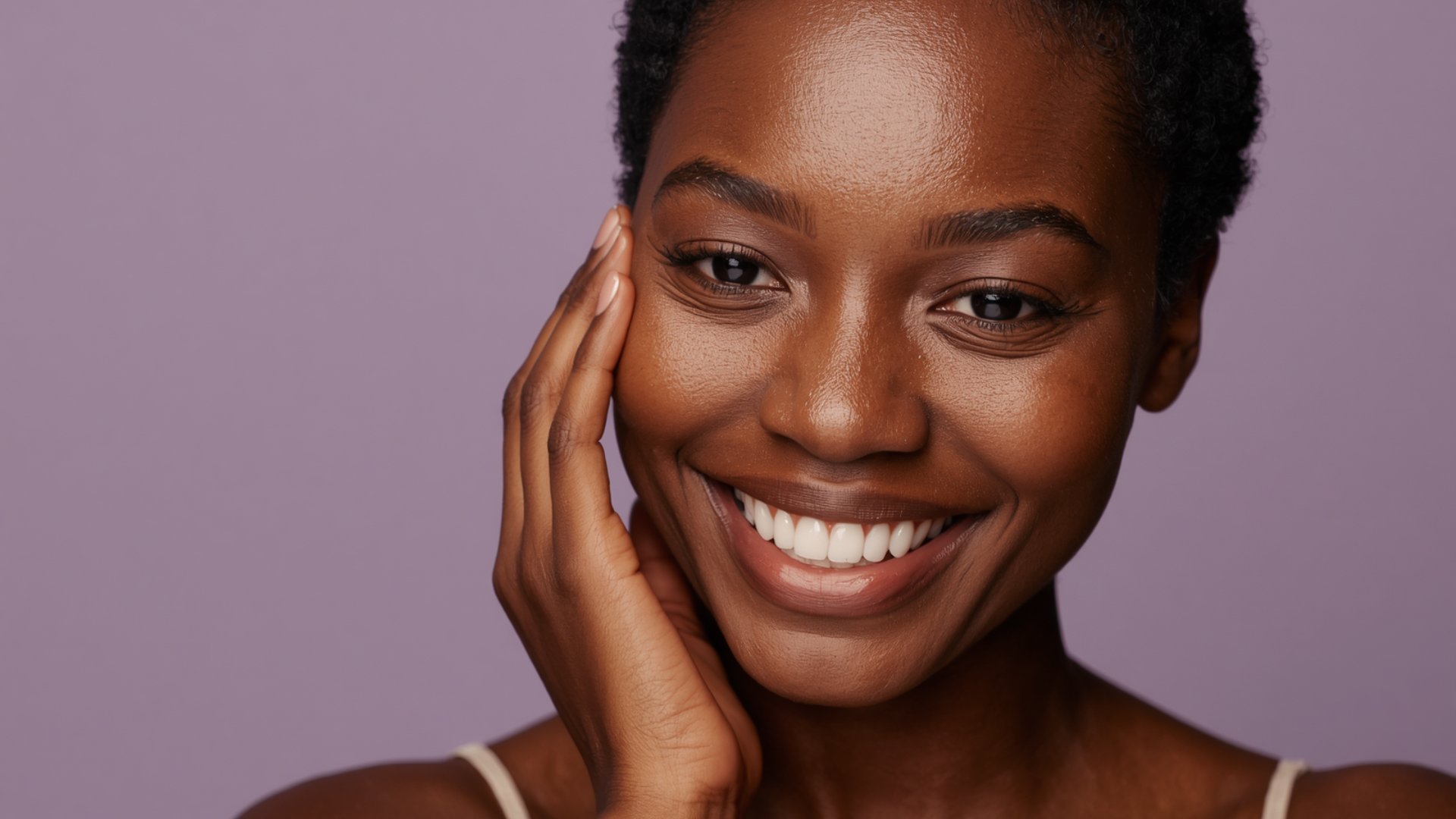
Hair is not just hair for us.
I need to say that clearly before we get into any of the medical information, because every conversation about hair loss in Black women that skips past the emotional and cultural weight of it is missing the most important part.
For Black women, hair has always been about more than aesthetics. It is tied to identity, to history, to how the world receives us and how we receive ourselves. Our hair has been legislated against, policed in professional spaces, used as a basis for discrimination, and simultaneously celebrated as an expression of who we are. When Black women start losing their hair, they are not just losing hair. They are losing something that has been connected to their sense of self in ways that are profound and complex.
The medical reality
Hair loss in women over fifty is more common than most people realize, and it is underdiagnosed and undertreated, particularly for Black women.
The most common causes include female pattern hair loss, which is hormonally driven and tends to accelerate around and after menopause. Traction alopecia, which results from years of tight hairstyles. Central Centrifugal Cicatricial Alopecia, known as CCCA, a form of scarring alopecia that disproportionately affects Black women and causes permanent hair loss if not caught and treated early.
CCCA deserves particular attention because it is both common among Black women and seriously underdiagnosed. It presents as hair thinning and loss starting at the crown of the head. Because it causes scar tissue to form at the hair follicles, early intervention is essential.
If you are noticing thinning at your crown, see a dermatologist who specializes in hair loss as soon as possible. Do not wait.
The emotional weight, honestly
I want to give space to the grief, because it is real and it is valid. Losing hair changes how you look in the mirror. It changes how you feel walking into a room. It can affect intimacy, professional confidence, and the quiet, private relationship you have with your own reflection. This grief does not make you vain. It makes you human.
What I have also seen, though, is women on the other side of that grief who have found something remarkable. Women who stopped fighting their hair and started making peace with themselves. Women who shaved their heads and discovered a freedom and a power they did not expect. Every one of those paths is valid.
What you can actually do
See a dermatologist who specializes in hair and scalp conditions, ideally one with experience treating Black patients. Ask specifically about CCCA if you are experiencing crown thinning.
Look at your overall health. Thyroid dysfunction, iron deficiency, and nutritional deficiencies all contribute to hair loss and are common and treatable. Ask your primary care doctor to check your iron levels, thyroid function, and vitamin D.
Find your community. There are online spaces and support communities specifically for Black women dealing with hair loss and alopecia. Connecting with women who understand the specific cultural and emotional dimensions of this experience can make an enormous difference.
And be gentle with yourself. Your hair is not your worth. But your feelings about it are real, and they deserve care.